
When financial emergencies strike, the ability to borrow quickly can be a lifeline. However, traditional lenders often require proof of steady income, leaving many wondering if loans are available without this documentation. This guide outlines your options, what lenders look for instead, and how to approach these loans responsibly.
Understanding Loans Without Proof of Income
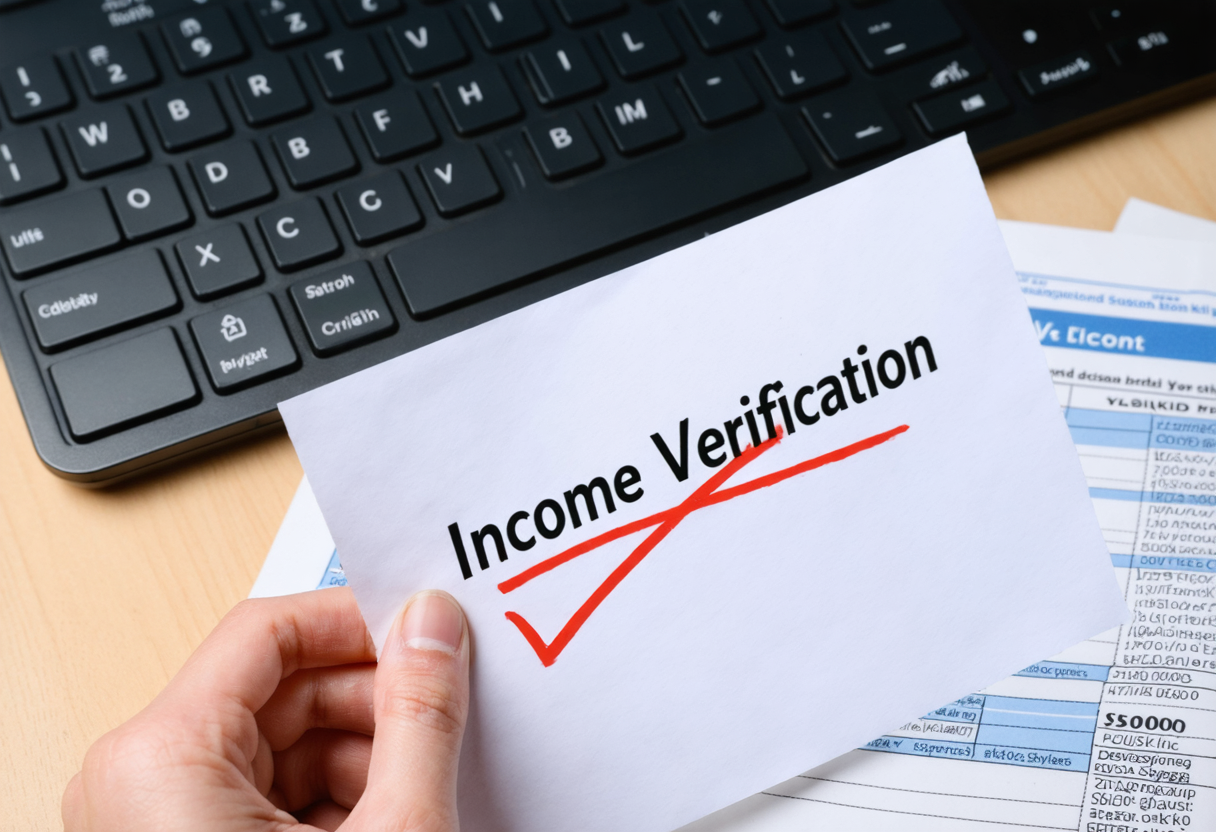
Loans without proof of income are financial products designed for borrowers who cannot provide traditional income documentation like pay stubs, tax returns, or employer letters. Instead, lenders may rely on alternative verification methods such as bank statements, proof of assets, or collateral. These options cater to freelancers, gig workers, or those with non-traditional earnings. However, because they involve more risk for the lender, they often come with higher interest rates and stricter terms. Understanding how they work is the first step in deciding if they fit your urgent needs.
Types of Loans That May Not Require Income Verification
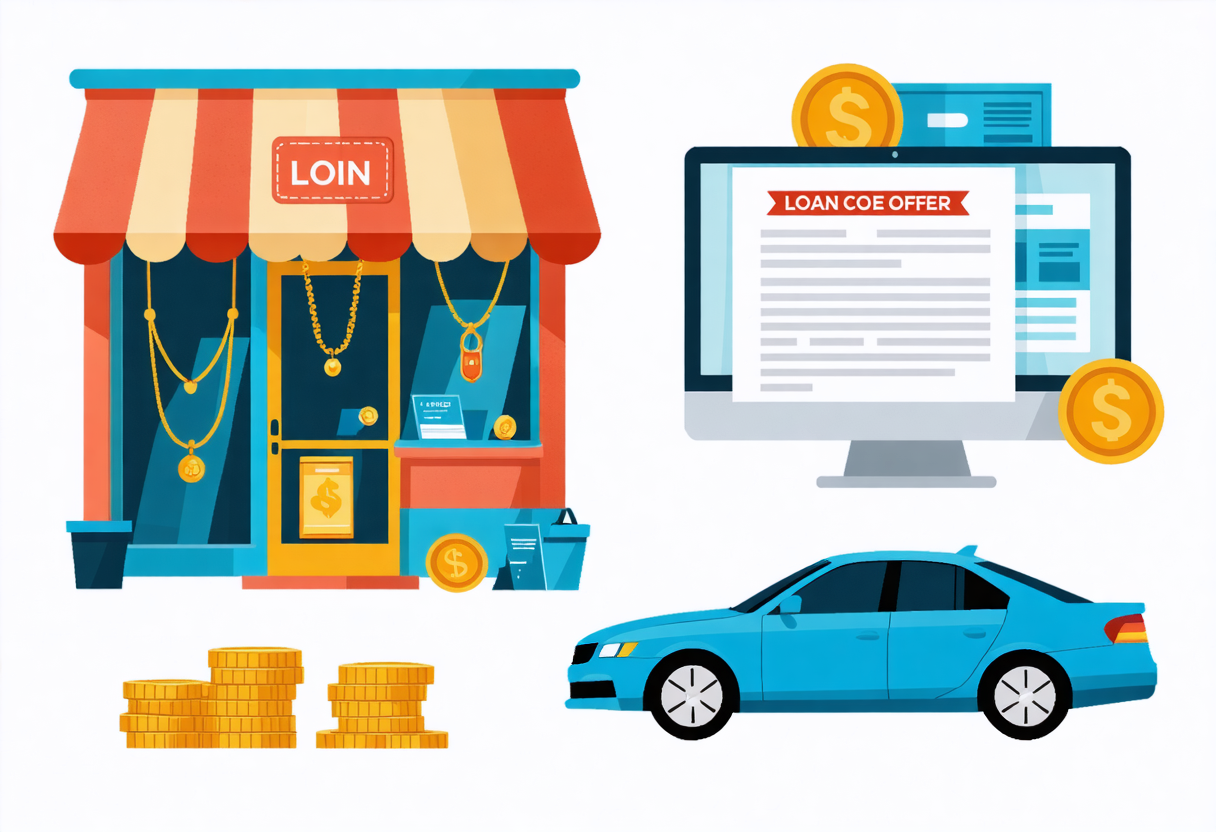
Before applying, it's helpful to know the common types of emergency loans that may skip traditional income checks. Each has distinct features and risks:
- Payday loans: Short-term advances due on your next payday; high fees make them costly.
- Pawn shop loans: You provide an item as collateral and borrow against its value.
- Secured personal loans: Assets like a car title back the loan, reducing the lender's risk.
- Online installment loans: Some online lenders evaluate non-traditional data, offering quick online loans with flexible repayment.
- Peer-to-peer lending: Platforms that connect borrowers directly with investors, sometimes using alternative criteria.
However, the Consumer Financial Protection Bureau warns that alternative lending products can carry high costs. A Federal Reserve report notes that non-traditional lending has grown, especially as gig economy workers seek loans without income proof. While these options can provide fast emergency cash, it's essential to compare terms carefully.
How to Qualify for a Loan Without Traditional Income Proof

Lacking pay stubs doesn't automatically disqualify you. Many lenders consider bank statements that show regular deposits, proof of significant savings or investments, or valuable collateral. A co-signer with stable income can boost your chances significantly. If you earn from gig work, benefit letters or invoices may serve as sufficient documentation. Additionally, a strong credit history helps, so check your free credit report to know where you stand. Some online platforms use alternative data—like utility payment history—to make quick funding decisions, offering an emergency loan when you need it urgently online.
Risks and Considerations Before You Apply
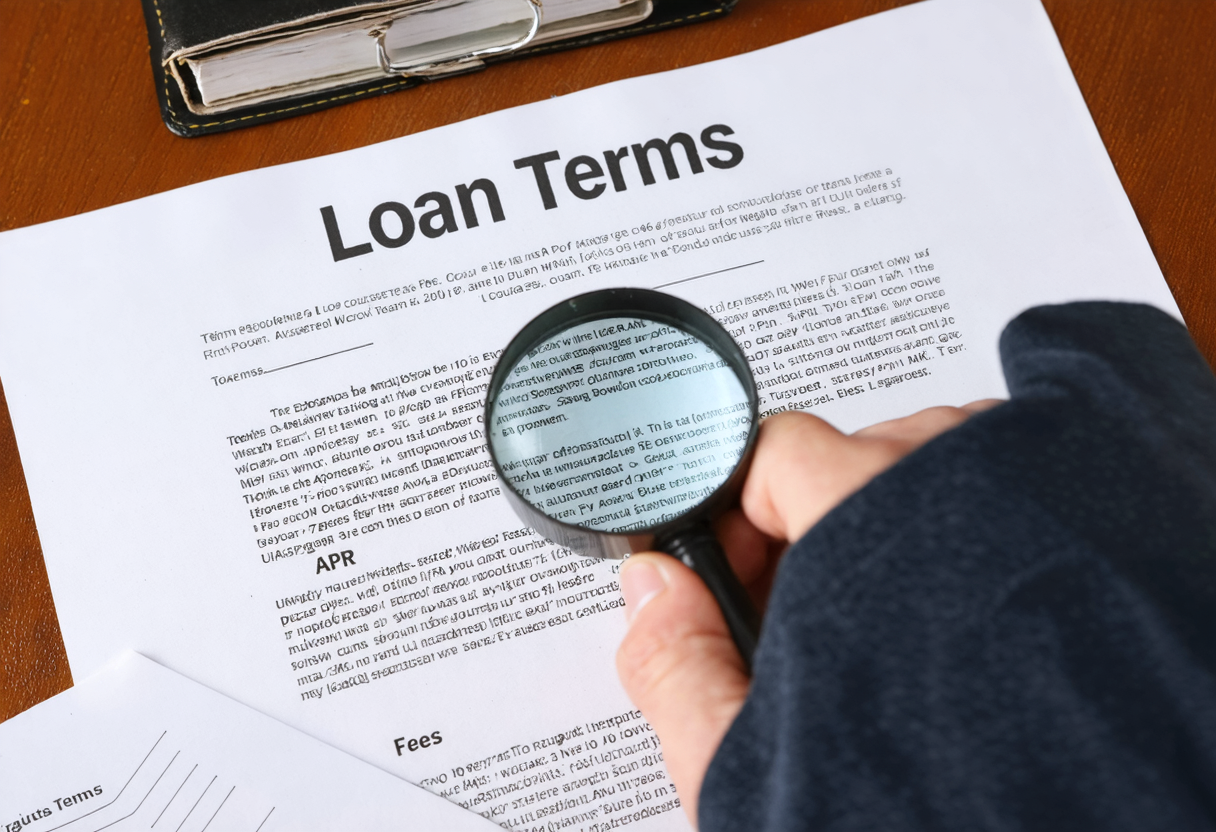
Loans without income verification often come with higher annual percentage rates (APRs) and potential hidden fees. Predatory lenders may exploit urgent needs, so it's vital to read all terms. The Federal Trade Commission advises consumers to watch for scams and promises that seem too good to be true. Consider safer alternatives first, like credit union small-dollar loans or local assistance programs. If you decide to proceed, only borrow what you can afford to repay and compare multiple emergency loans options to find the least costly route.
While loans without proof of income can bridge immediate gaps, they require careful research. By understanding the available types, qualification factors, and potential pitfalls, you’re better equipped to choose wisely. Consider exploring all your alternatives and reading lender reviews before committing, and remember that responsible borrowing starts with a clear repayment plan.